Verify Certified Installation
Ask for current AGSC credentials and a clear explanation of glass preparation, primer application, urethane bead height, and minimum safe drive-away time.
Choosing a qualified installer matters because the windshield supports vehicle structure, airbag performance, and ADAS camera accuracy. Phoenix Windshield Replacement Co. explains how Phoenix drivers can compare training, materials, calibration, pricing, mobile service, and safe drive-away practices before authorizing replacement.
Ask for current AGSC credentials and a clear explanation of glass preparation, primer application, urethane bead height, and minimum safe drive-away time.
A written estimate should separate glass, labor, moldings, calibration, mobile fees, and disposal so a price that is $150 cheaper does not hide omitted work.
For a camera-equipped vehicle, confirm whether static or dynamic ADAS calibration is required and when the urethane's rated safe drive-away window ends.
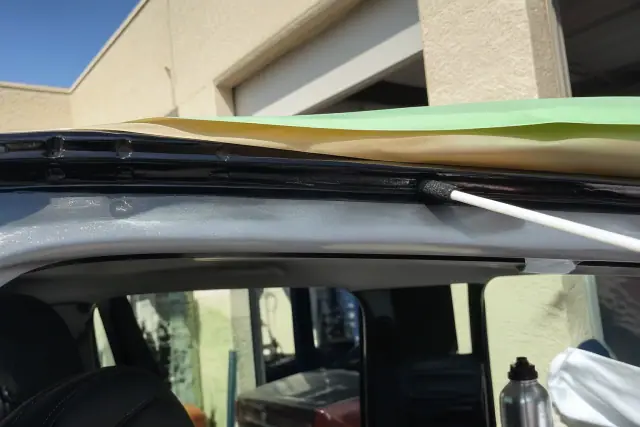
Clean surface preparation and even primer coverage help the fresh urethane form a dependable bond to the vehicle frame.
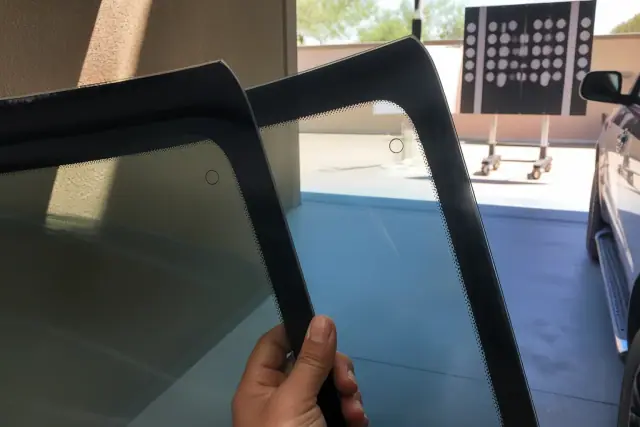
Tint, acoustic layering, heated wiper areas, and ADAS sensor brackets can matter more to correct fit and function than price alone.
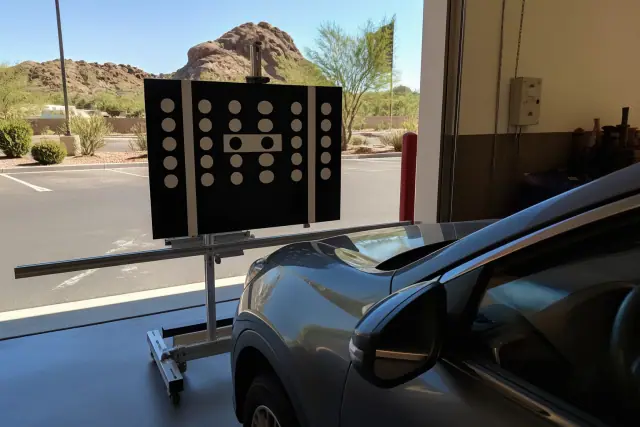
Controlled static targets or a dynamic road test are used to verify lane-position and following-distance readings after installation.
Look for current training and specific answers about trim removal, pinch-weld cleaning, primer, urethane placement, molding fit, and cure verification.
Give the provider the vehicle year, make, model, glass features, and camera equipment, then require a written scope before work begins.
A chip smaller than a quarter or a crack shorter than 3 inches may be repairable when it is away from the edge and the driver's direct sightline; edge damage, clustered chips, or cracks longer than 6 inches usually point to replacement.
Be cautious when a shop cannot explain its urethane, leaves ADAS calibration out of the scope, or has a review pattern mentioning leaks, wind noise, missed windows, or stress cracks.
| Check | Strong Answer | Red Flag |
|---|---|---|
| Training | Current AGSC credentials and ANSI/AGRSS Z26.1 procedures | Vague answers about prep, primer, or cure time |
| Written quote | Glass, labor, moldings, calibration, fees, and disposal are itemized | A low total with important work left unspecified |
| ADAS | Calibration need, method, time, and price are confirmed | Camera-equipped vehicles are returned without calibration |
| Materials | Glass type and urethane safe drive-away rating are identified | No explanation of glass fit or adhesive requirements |
| Aftercare | Leak, wind-noise, and stress-crack coverage is explained | No written answer about post-installation problems |
A windshield is part of the vehicle's structural and restraint system, so the installer's process matters beyond appearance. In a metropolitan area with over 1.6 million residents, proximity alone does not narrow the field enough: verify training, read reviews for installation details, and ask how the shop adjusts urethane cure guidance during Phoenix heat that can reach 115-degree afternoons before cooler nights. A careful answer should cover primer, bead placement, trim fit, and the exact safe drive-away instruction for the adhesive used.
Phoenix covers 517.9 square miles, so mobile coverage and realistic appointment windows matter from Ahwatukee and Deer Valley to the Camelback corridor and West Valley. Compare OEM and aftermarket options by fit, tint, acoustic layers, heated areas, and sensor brackets, then confirm whether a forward-facing camera needs controlled static calibration or a dynamic road test. Same-day availability may exist for common in-stock glass, but the better choice is the provider that states what is included and allows enough time for calibration and adhesive cure.
A repairable chip may take about 30 minutes, while a standard replacement usually takes one to two hours; ADAS calibration can add another 30 minutes to an hour. Safe drive-away time is separate and may range from 30 minutes to a few hours according to the urethane formula and current conditions. Comprehensive insurance generally pays subject to the policy deductible, while some Arizona policies waive the deductible for glass repair, and the motorist still chooses the provider. Vehicles from roughly the last decade with lane-departure warning, automatic emergency braking, or adaptive cruise control commonly need calibration after replacement.
Share the vehicle year, make, model, damage location, glass features, and ADAS equipment. Ask for a written recommendation that separates repair or replacement, glass type, calibration, mobile service, and safe drive-away timing before you approve the work.