Glass and ADAS Choices
Ask which glass grade will be installed, whether you can choose OEM or aftermarket glass, what urethane is used, and whether any windshield-mounted ADAS camera needs calibration.
Phoenix Windshield Replacement Co. created this guide to the questions that matter before windshield replacement in Phoenix. Ask what glass will be installed, which urethane adhesive will be used, how long the safe drive-away time is, and whether required ADAS calibration is included. Clear answers help you avoid poor fit, leaks, wind noise, inaccurate driver-assistance cameras, and an unsafe bond in a collision.
Ask which glass grade will be installed, whether you can choose OEM or aftermarket glass, what urethane is used, and whether any windshield-mounted ADAS camera needs calibration.
A chip smaller than a quarter or a crack under 3 inches may qualify for repair when it is away from the edge and driver's sightline. Cracks longer than 6 inches, edge damage, multiple impact points, or sightline damage generally point to replacement.
Get the glass, labor, calibration, safe drive-away time, insurance handling, and warranty terms in writing. Confirm whether the warranty addresses leaks, wind noise, installation stress cracks, workmanship, and glass defects.
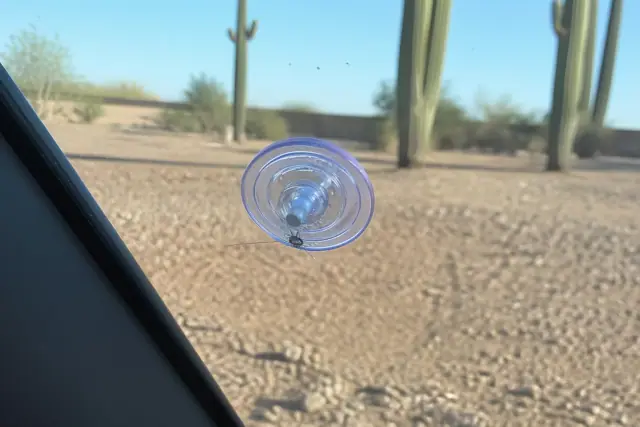
This view should show why a small chip away from the glass edge and the driver's direct sightline may be repairable. A qualifying chip repair may take under 30 minutes.
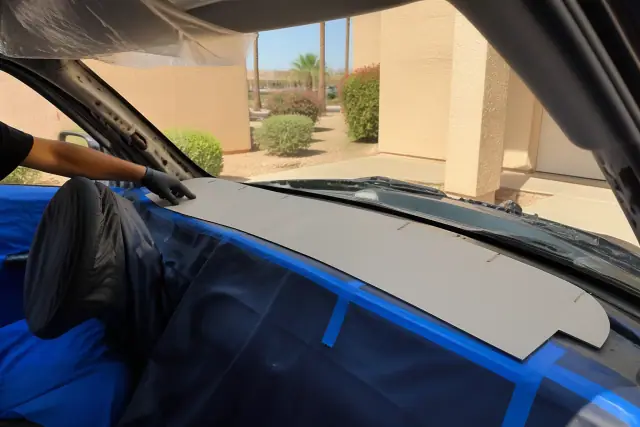
Compare thickness, curvature, optical clarity, and acoustic properties rather than price alone. Fit and optical quality matter most when a windshield carries a driver-assistance camera.
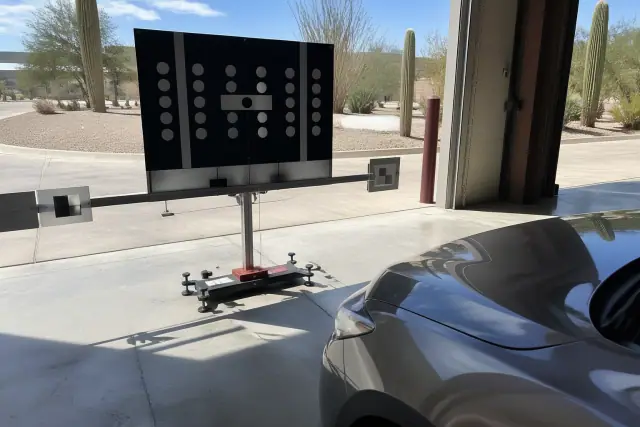
The windshield-mounted camera with a static target-board setup and a dynamic road-calibration context. The required method depends on the vehicle manufacturer's procedure.
A standard replacement without advanced sensors typically runs $250-$600; an ADAS-equipped replacement can cost $700-$1,200 or more.
A simple windshield chip repair costs roughly $100-$150 when the damage remains eligible for repair.
Installation usually takes 60-90 minutes; urethane safe drive-away time can range from 30 minutes to a few hours based on the product, temperature, and humidity.
Camera recalibration typically adds $150-$400, depending on how many cameras and sensors require realignment.
| Quote Item | What to Confirm | Question to Ask |
|---|---|---|
| Glass | OEM, OEM-equivalent, or aftermarket grade and fit | Which glass will you install, and can I choose? |
| Adhesive | Urethane product and minimum safe drive-away time | When can I safely drive? |
| ADAS | Static or dynamic calibration and whether it is included | Does my windshield camera require recalibration? |
| Warranty | Written terms for leaks, stress cracks, workmanship, and defects | What is covered, and what voids coverage? |
| Insurance | Comprehensive or full-glass coverage and deductible | Will you verify coverage before scheduling? |
A complete scope should cover damage inspection and glass selection, removal of the old windshield and trim, pinch-weld preparation and primer, the urethane bead, setting the new glass, sensor reattachment, required calibration, cleanup, safety checks, and the cure interval before driving. It should also identify the exact glass grade, adhesive, included labor, warranty exclusions, and insurance coordination.
Vehicle glass size and curvature, heated or acoustic features, the number of cameras and sensors, and the required calibration method can change both the quote and installation plan. Phoenix heat and daily humidity affect urethane curing, while road debris from construction and dust storms on Loop 101 and I-17 can influence the damage assessment; the adhesive manufacturer's minimum safe drive-away time still controls.
Can insurance pay? Comprehensive coverage generally addresses road-debris, hail, or vandalism damage; a full-glass endorsement may reduce a windshield deductible to $0, but your carrier must confirm. Can the work be mobile? Service is offered at homes, offices, and roadside locations across Phoenix's 517.9 square miles, from Ahwatukee to Deer Valley, although static ADAS calibration may require a controlled bay. What standards matter? Ask whether the glass meets ANSI Z26.1 and FMVSS 205 and whether the installation follows AGRSS procedures and FMVSS 212 retention requirements.
Share your vehicle, damage location, preferred glass grade, and camera-based safety features. The service team can help you compare glass, calibration, timing, warranty, and insurance details before you authorize windshield work in Phoenix.